Topics We Cover for Jibhi Himachal Pradesh
Why You Must Visit Jibhi in Himachal Pradesh?
Looking for a peaceful, offbeat mountain getaway? Jibhi is the answer.
Tucked away in Banjar Valley, Himachal Pradesh, at an altitude of 1,600 meters (5,249 feet), Jibhi is a serene village surrounded by nature, far from the chaos of city life.
What Makes Jibhi Worth Visiting?
Here’s why you must add Jibhi to your travel list:
- Unexplored & Peaceful: Unlike crowded places like Manali, Shimla, or Kasol, Jibhi is still untouched by over-tourism.
- Natural Beauty Everywhere: The village is wrapped in dense forests, waterfalls, wooden homes, and ancient forts—ideal for nature lovers.
- Banjar Valley Top Attraction : Jibhi is one of the 45 villages in the Banjar region, and one of the top attraction from them
- No City Noise: No honking, no traffic. Just the sound of flowing rivers and birds chirping.
- Perfect for Digital Detox: Great spot to disconnect from social media and reconnect with nature.
- Top Attractions to Explore: Jibhi Waterfall, Sojha Village, Sirsolsar Lake, Budhi Nagin Temple, Rahupur Fort, Bringraj Rishi Temple, and stunning views of Thirthan Valley.How to Reach Jibhi, Himachal Pradesh (My Personal Travel Experience)
- Adventure Activities to Try: Jungle camping, trout fishing, river crossing, treks to Jalori Pass, and scooty/bike rides through pine-covered mountain trails.
- Experience Local Culture & Festivals: Witness traditional Himachali life through festivals like Fagli (spring celebrations with masks and folk dances), Banjar Mela (cultural fair), Sair (harvest festival), and village devta processions.
How can you reach Jibhi Himachal Pradesh?
You can reach Jibhi by road, air, or train—depending on your comfort, budget, and travel style.
How to Reach Jibhi by Road (Bus or Car)
To reach Jibhi by road, you first need to get to Aut, which is around 32 km from Jibhi. Aut is well-connected by buses from major cities like Delhi and Chandigarh, as it lies on the popular Delhi–Manali route.
I personally took a Volvo bus from Delhi in February 2025, which dropped me at Aut around 7:30 AM. From there, I rented a scooty online from Satyam Bike Rental—but the scooty was in poor condition and I had no choice since the booking was already done. So, I would not recommend Satyam Bike Rentals. You can check better options on Google Maps or Facebook Pages before finalizing.
Renting a scooty or bike from Aut is usually cheaper than Jibhi and gives you the freedom to explore with beautiful valley views.
Tips for Road Travel:
- Nearest bus stand: Banjar (8 km from Jibhi)
- From Delhi/Chandigarh: Take a Volvo or HRTC bus to Aut, then hire a taxi or rent a bike.
Bike Rental Options in Aut:
- BRB Expeditions – Contact: 9816053969
- Rental Cost: Starts from ₹700/day (varies by vehicle type)
Note: The road from Aut to Jibhi is in poor condition with large potholes. Drive cautiously and choose your vehicle wisely.
How to Reach Jibhi by Air
The nearest airport is Bhuntar Airport (also called Kullu-Manali Airport), about 53 km from Jibhi. From there, you can easily hire a taxi to reach Jibhi.
Airlines Operating:
- Air India
- SpiceJet
- IndiGo
Flight Cost (One-way): Around ₹7,000 to ₹10,000 during peak season.
How to Reach Jibhi by Train
Let’s explore Jibhi’s hidden gems
The closest railway station is Jogindernagar, about 100 km from Jibhi. To be honest, I don’t recommend this route due to the distance and limited connectivity. But if you do take this route, buses and taxis are available.
You can take an HRTC bus from Jogindernagar toward Manali, and get off at Aut.
What Are The Best Places To Visit In Jibhi?
1. Kulhi Katandi (Mini Thailand) – A Hidden Forest Spot
This place is locally called Kulhi Katandi, but most tourists now know it as Mini Thailand — and it truly lives up to the name.
- It’s just 2–3 km from Jibhi town, and you can walk there if you enjoy short trails.
- You’ll have to go about 500 meters down from the main road, into a quiet forest path.
- What makes it special? Huge rock formations, crystal-clear water, and tall deodar trees all around. It’s honestly one of the most peaceful spots I’ve visited.
There’s also a small Maggi stall there. I had a steaming hot plate after the short trek — simple but perfect! Walking through the forest and reaching Mini Thailand felt like stepping into another world. The untouched beauty and silence were unreal.
2. Jibhi Waterfall – Hidden in the Pines

- Just like Mini Thailand, this spot is also around 2–3 km from the main town.
- It’s tucked inside a dense pine forest, and as you get closer, you’ll notice the temperature dropping and the sound of the waterfall getting louder — it’s pretty magical.
- The short walk to the waterfall goes over wooden bridges and mossy stones. If you’re lucky and visiting in winter, you might even see a thin layer of ice around the rocks.
Entry Fee: ₹25 per person
I went in February. There was no one else there, and the only sound was the waterfall. It honestly felt like I had the whole place to myself.
3. Jalori Pass – Snow, Views, and Crazy Roads

Jalori Pass sits at a height of 3,120 meters (10,236 feet) and stays covered in snow during winters.
- It connects Kullu Valley with Shimla Valley, and the ride from Jibhi is about 12 km.
- The road is narrow but absolutely stunning. You’ll see snow all around, and sometimes even black ice on the road.
I visited in February, and it was completely frozen. There was ice on both sides of the road, my hands were freezing, and my nails turned blue from the cold. I reached around 10:30 AM and then started my trek to Serolsar Lake.
What to Eat at Jalori Pass?
There are a bunch of roadside stalls near the pass. I’d recommend trying:
- Seedu (local stuffed bread)
- Momos
- Maggi
- Rajma Chawal
- Kadhi Chawal
The rajma is locally grown and tastes amazing. I had it for breakfast, and it was honestly one of the best meals of my trip.
4. Serolsar Lake – Trekking Through Snow

- The trek from Jalori Pass to Serolsar Lake is about 5 km one way, and takes 1.5 to 2 hours depending on pace.
- It’s not very tough, but if you’re not used to trekking, some parts might be a bit tiring — especially in snow.
- The trail goes through a beautiful forest, and in winter it’s completely snow-covered. Everywhere you look is white — like walking through a dream.
There’s also a temple dedicated to Budhi Nagin near the lake, adding a spiritual vibe to the whole scene.
Things to Know:
- No mobile network on the trail — let someone know before starting.
- You’ll find food stalls near the lake.
- I’d suggest hiring a local guide if it’s your first time, especially in snow.
When I reached the lake, I was stunned. It was fully frozen and covered with snow. It didn’t even look real — like something out of a movie.
5. 360° View Point – Underrated and Beautiful
- This viewpoint is located near Jalori Pass.
- As the name suggests, it offers panoramic views of snow-covered mountains, valleys, and forests.
I felt like I was on top of the world. It’s not crowded, and the view is something you’ll never forget.
6. Raghupur Fort – A Bit of History with a Lot of Nature
- This fort dates back to the 17th century, built by the Mandi rulers.
- The trek is about 3 km from Jalori Pass, through oak and rhododendron forests.
- The trail is steeper than the Serolsar Lake one, but it offers amazing views of the Himalayas.
It’s a little more challenging, but totally worth the effort. The path through the forest was peaceful, and the view from the top was mind-blowing.
If you’re planning a trip to Jibhi, make sure to add these spots to your list. They’re not just beautiful — they give you a real taste of the mountains, away from all the crowds.
7. Shringa Rishi Temple

Shringa Rishi Temple is a peaceful and spiritual place located about 9 km from Jibhi, in Himachal Pradesh. It’s not just another temple—it’s the main deity of Banjar Valley and holds deep cultural importance for the locals.
When I visited this place, I was truly surprised by how calm and untouched it felt. There’s no crowd, no noise—just pure peace. I could actually hear the wind moving through the tall deodar trees around the temple. It felt like the kind of silence that resets your mind.
What Is the Best Time to Visit Jibhi?
The best time to visit Jibhi depends on what you’re looking for—snow, pleasant weather for trekking, or local festivals.
Late November to February – Best for Snow Lovers
- If you want to see snow, then Nov to late feb in Jibhi Himachal would be the best time for you.
- It gets very cold, and you’ll find snow on both sides of the roads and snow-covered mountains all around.
- During my February 2025 trip, I saw beautiful snowy landscapes everywhere. It felt peaceful and magical, although the cold can be intense.
March to June – Best for Camping, Trekking, and Photography
- The weather is pleasant with clear skies and no humidity.
- Ideal time for trekking, camping, and river-side stays.
- Flowers start blooming, making it a great season for nature photography and easy walks around the valley.
July to September (Monsoon) – Not Recommended
This is the time when I don’t recommended you to go anywhere on hills because of monsoon. The possibilities of landslides, floods are on its peaks. So, please avoid it rest its depends on personal choice.
How to Experience Local Culture and Festivals in Jibhi, Himachal?
Jibhi is not just about nature. It also has a strong connection to local Himachali culture, which you can see during village festivals. These are not commercial events—they’re simple, rooted in tradition, and truly local.
| Festival Name | When It Happens | Duration |
| Fagli | March (around 10th–15th) | 2–3 days |
| Banjar Mela | August–September (15th–30th) | 3–5 days |
| Sair | October (around 10th–20th) | 1–2 days |
| Village Devta Processions | Year-round (varies by village) | 1 day (per event) |
When I visited in February, I got a chance to join a village Devta procession. Locals offered me Siddu, and everyone—young and old—walked through the village with their Devta, along with traditional music and dance.
It was one of the most real and warm experiences I’ve had in Himachal. For someone like me, not from the region, being part of this cultural moment felt very special.
What are the staying options in Jibhi ?
There are multiple affordable room options, and home stays are available. Here’s the list of some staying options in Jibhi are
| Hotel Name | Price |
| Cedar Stream House | Rs.1000-1500/Night |
| Whoopers Beautique Resort | Rs.1500-1900/Night |
| Madpackers Jibhi | Rs.1000-1400/Night |
| Wildwood Home Jibhi | Rs.1400-1600/Night |
| Hotel Cedar View | Rs.1800-2000/Night |
Note: All the staying options’ prices are different according to the session. and I advice you to book hotel in advance.
Final Thoughts
Jibhi is a paradise for travelers looking for peace, adventure, and stunning landscapes. Whether you want to explore Mini Thailand, trek to Serolsar Lake, or experience snow-covered Jalori Pass, there’s something for everyone.
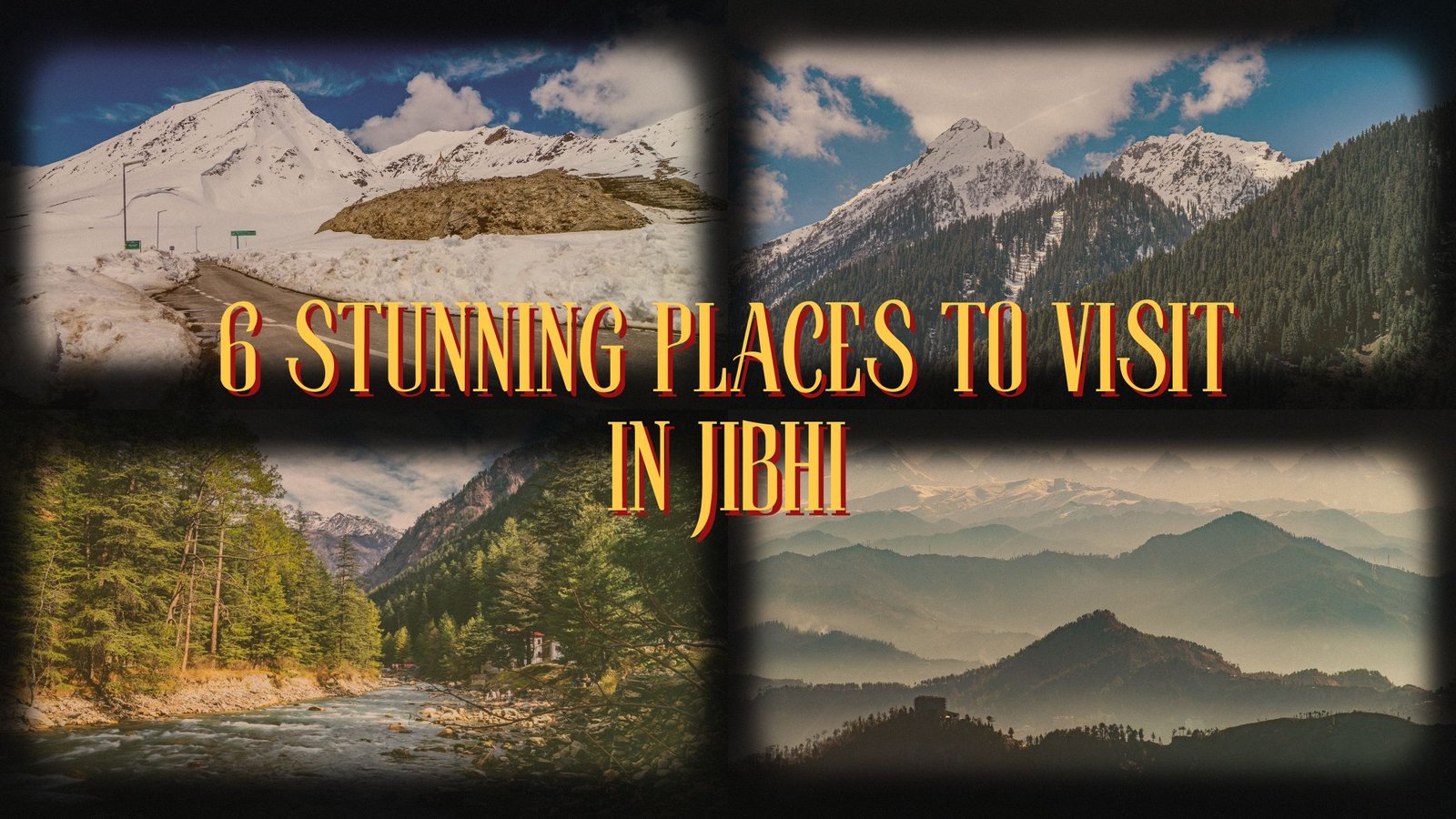
If you’re planning a trip, don’t forget to explore these 6 stunning places to visit in Jibhi—you’ll fall in love with this hidden gem.
Frequently Asked Questions About Jibhi Himachal
-
Why is Jibhi called the “Mini Switzerland of India”?
Jibhi is called the “Mini Switzerland of India” because of its scenic beauty—green valleys, pine forests, and wooden cottages that resemble Swiss villages.
-
How can I experience local culture and festivals in Jibhi?
Stay in local homestays, explore nearby villages, and visit during festivals like Fagli to see traditional dress, food, and folk celebrations.
-
How to explore Jibhi Waterfall safely?
Wear gripped shoes, avoid visiting after heavy rain and snow, and go during the day. The short trail is easy but can get slippery in the monsoon or snow.
-
Best time to visit Jibhi for trekking and nature walks?
March to June and October to early November are ideal—clear skies, cool temperatures, and dry trails make outdoor activities easier.
-
What makes Jibhi a hidden gem for nature lovers?
It’s quiet, uncrowded, and surrounded by forests, rivers, and wooden homes—perfect for those who want peace and nature without tourist crowds.
-
What is the significance of Serolsar Lake in Jibhi?
Serolsar Lake near Jalori Pass is known for its spiritual value and clean water. Locals believe the lake cleans itself naturally.
-
Where can I rent bikes or scooters in Jibhi?
You can rent from shops in Aut, Banjar, or Jibhi. Check reviews on Google Maps or ask locals for better, well-maintained options.
-
How to reach Jibhi from Delhi?
Take a bus to Aut, then a cab, rental bike/scooty or local bus to Jibhi. By car, it takes around 12–14 hours via Mandi.
-
How to reach Jibhi from Chandigarh?
Drive 8–9 hours via Mandi and Aut, or take a bus to Aut and switch to a local cab or HRTC bus for the last stretch.
-
Why is Jibhi famous?
Jibhi is famous for its peaceful setting, waterfalls, wooden architecture, and easy access to treks like Jalori Pass and Serolsar Lake.
-
Is Jibhi expensive to visit?
No, Jibhi is affordable. Stays, food, and travel are budget-friendly—great for backpackers and nature lovers.
-
Is Jibhi safe for kids?
Yes, Jibhi is safe for families. Just avoid slippery trails and pack warm clothes if traveling in winter.
-
What to wear in Jibhi?
In winter: heavy woolens. In summer: light layers for cool evenings. During monsoon: waterproof jackets and good shoes.
-
When should I avoid visiting Jibhi?
Avoid July to September due to monsoon. Landslides and slippery roads make travel risky during this season.